
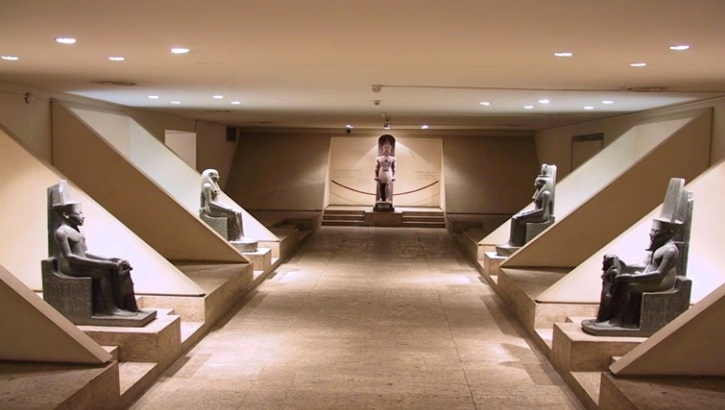
Mummification Museum | Museum of Mummification
Introduction to the Mummification Museum
The Mummification Museum in Luxor stands as one of Egypt’s most specialized cultural attractions, offering a deep and detailed look into one of ancient Egypt’s most iconic rituals: the art of mummification. Unlike other museums that simply display mummies and funerary objects, this museum focuses on the process, symbolism, and spiritual foundations of mummification. Located along the Nile Corniche, just a short walk from Luxor Temple, the museum provides an intimate, atmospheric experience that reveals how the ancient Egyptians prepared the dead for eternal life. It is a museum that blends religion, science, art, and archaeology, making it an essential stop for anyone interested in ancient Egyptian beliefs about death and immortality.
History and Purpose of the Museum
The Mummification Museum was inaugurated in 1997 as a cultural project designed to educate visitors and researchers about Egypt’s embalming traditions. Its establishment was part of a broader effort by Egypt’s Supreme Council of Antiquities to enrich the cultural landscape of Luxor, a city known for its overwhelming number of temples, tombs, and archaeological treasures. The museum was intended to fill a gap—most visitors saw mummies on display but lacked an understanding of how and why the ancient Egyptians developed such a precise and ritualistic method of preservation.
The museum’s design reflects the atmosphere of an ancient burial chamber, with dim lighting, earth-tone colors, and carefully arranged exhibits that imitate the quiet sanctity of a sacred space. Its purpose extends beyond tourism. The museum is also used by scholars who study ancient embalming techniques, organic materials such as linen and resins, and the evolution of funerary practices through different historical periods. Through its exhibitions, the museum preserves not only ancient objects but also the philosophy and spiritual worldview behind the quest for eternal life.
The Ancient Egyptian Belief in Eternal Life
To understand the significance of the Mummification Museum, one must appreciate the religious beliefs of ancient Egyptians. They viewed life and death as interconnected stages of a great cycle. Death was not an end but a transition into another state of existence. However, the soul—made of the ka, ba, and akh—needed a preserved physical vessel to return to in the afterlife. This belief gave rise to the complex rituals of mummification.
Egyptians believed that the first mummy was Osiris, god of the afterlife. After he was killed and dismembered by his brother Seth, Isis collected and reassembled his body, wrapping him with linen and resurrecting him through magical rites. This myth shaped all funerary customs. Embalmers re-enacted the sacred preservation of Osiris every time they mummified a body. Everything—from the washing of the corpse to the placement of amulets—carried symbolic meaning meant to ensure rebirth.
The museum beautifully conveys these beliefs through carved scenes, illustrated panels, and explanatory texts, helping visitors understand that mummification was as much a spiritual ceremony as it was a technical process.
.jpg)
The Layout and Atmosphere of the Museum
The Mummification Museum is designed to lead visitors on a journey through the entire embalming process. The lighting is intentionally low, creating a peaceful and meditative environment. The exhibits are arranged chronologically and thematically, allowing visitors to follow the transformation of the deceased from the moment of death to the final burial rituals.
Entrance Hall
Your visit begins with an impressive depiction of the mummification of Osiris. This introductory scene sets the stage by linking the ritual to its mythological origin. A large wall painting illustrates the gods performing purification, wrapping, and resurrection, establishing that mummification was a divine gift passed on to humanity.
Main Gallery
The museum’s central hall is long and elegant, featuring glass display cases on both sides. Each artifact is illuminated individually, highlighting details while maintaining a serene darkness. Explanatory labels in multiple languages guide you through the significance of each piece.
Artifacts include:
-
Resin jars used for anointing
-
Natron, the natural salt essential for dehydration
-
Bronze and stone embalming tools
-
Linen bandages used for wrapping
-
Wooden funerary masks
-
Painted coffin fragments
-
Amulets such as scarabs, Eyes of Horus, and djed pillars
-
Canopic jars used to store internal organs
The careful arrangement of these objects allows visitors to see how technical skill, religious symbolism, and artistic craftsmanship came together.
The Mummy of Maseharti
The highlight of the museum is the beautifully preserved mummy of Maseharti, a high-ranking 21st-Dynasty priest of Amun. His mummy is displayed alongside funerary equipment and protective amulets. Maseharti shows how the elite classes enjoyed the most advanced embalming techniques, resulting in exceptional preservation. His facial features, linens, and coffin decorations give visitors an extraordinary glimpse into the funerary practices of the New Kingdom and Third Intermediate Period.
Illustrated Panels
Illustrated panels show each step of mummification:
-
Purification of the body
-
Removal of internal organs
-
Drying with natron
-
Treating the body with oils and resins
-
Wrapping the body in linen
-
Placement of amulets
-
Final rituals and burial
These highly visual explanations help modern visitors understand a process that, for centuries, was performed behind closed doors by trained priests.
.jpg)
The Science of Mummification
The museum presents mummification not only as a religious rite but also as a sophisticated scientific procedure.
Removing Internal Organs
Embalmers removed the stomach, liver, lungs, and intestines. Each was preserved separately and placed in canopic jars protected by the Four Sons of Horus. The museum displays several jars, each with a distinctive lid representing a guardian deity.
Dehydration with Natron
Natron was the key to successful mummification. The body was packed with natron for approximately 40 days. The museum shows natron deposits and containers that help visitors understand how this mineral removed moisture and prevented decay.
Treatment with Oils and Resins
After dehydration, embalmers applied oils, resins, and incense to moisturize the skin and add fragrance. These substances also acted as natural antiseptics. Samples of these materials are displayed with detailed explanations.
Wrapping the Body
The wrapping process was long and symbolic. Each limb was wrapped separately, and amulets were inserted between layers. The museum displays different types of linen, demonstrating how embalmers layered hundreds of strips to create a protective cocoon.
Amulets and Spells
Amulets such as scarabs, tyet knots, and heart scarabs were essential. They protected the deceased and assisted in the journey to the afterlife. The museum’s collection includes dozens of intricately carved examples.
Final Rituals
Illustrated scenes explain the “Opening of the Mouth” ceremony, which restored speech and breath to the deceased. Priests recited spells from the Book of the Dead to ensure safe passage through the underworld.
Animal Mummification
One of the most fascinating sections of the museum is devoted to animal mummies. Ancient Egyptians mummified animals for several reasons—religious devotion, offerings to gods, or companionship in the afterlife.
The museum’s collection includes:
-
A mummified crocodile for Sobek
-
A cat mummy dedicated to Bastet
-
A falcon mummy linked to Horus
-
A baboon mummy associated with Thoth
These examples demonstrate how deeply animals were integrated into religious life.
.jpg)
Tools and Equipment of Embalmers
The museum displays knives, hooks, probes, vessels, and other tools used by embalmers. These objects reveal the technical expertise required for mummification. Some tools were simple, while others were intricately crafted from bronze or obsidian. The museum explains how embalmers worked in teams, each with a specialized role, from purification to wrapping.
The Museum as a Research Institution
Beyond tourism, the Mummification Museum has become a valuable center for scientific study. Researchers analyze:
-
Ancient resins
-
Linen fibers
-
Preservation chemistry
-
Biological remains of animals
-
Embalming techniques across time
The museum’s educational programs help Egyptologists understand how funerary rituals evolved during different dynasties.
Why the Museum Is Worth Visiting
The Mummification Museum offers a rare combination of atmosphere, education, and archaeological insight. It is small enough to explore in under an hour, yet rich enough to provide a deep understanding of Egyptian funerary traditions. Its intimate environment makes it more personal than larger museums, and its focus on a single theme allows visitors to leave with a complete understanding of the mummification process.
Tips for Your Visit
-
Visit in the evening after seeing Luxor Temple.
-
Combine it with a Nile Corniche walk.
-
Photography is often restricted—check rules in advance.
-
Audio guides or private guides enhance the experience.
-
Expect to spend around 45–60 minutes.
Conclusion
The Mummification Museum is one of Luxor’s most insightful attractions, offering a rare look into the spiritual, scientific, and symbolic world of ancient Egyptian embalming. Every display—from tools to mummies—tells a story of devotion, craftsmanship, and the powerful belief in eternal life.
Call to Action
Ready to uncover the secrets of ancient preservation? Plan your visit to the Mummification Museum and experience the fascinating rituals, tools, and traditions that kept Egypt’s legacy alive for thousands of years!