
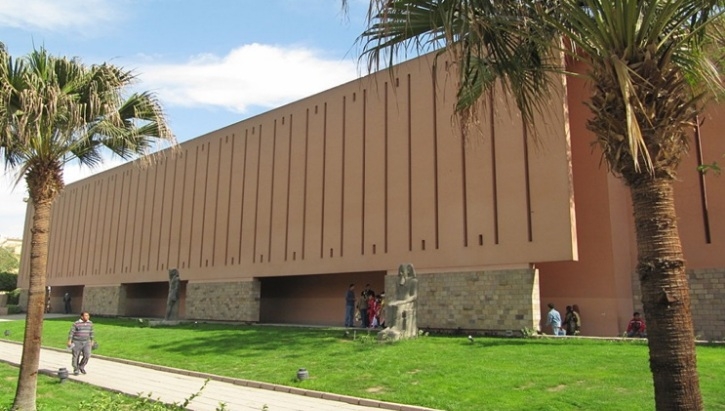
Luxor Museum | A Timeless Journey into Egypt’s Ancient Splendors
Luxor Museum, also known as the Museum of Luxor, is one of Egypt’s most exceptional archaeological museums, renowned for its beautifully curated collections, sophisticated presentation, and intimate yet powerful display of artifacts that bring ancient Egypt to life. Unlike many larger museums, Luxor Museum presents a perfectly balanced experience—immersive, educational, and remarkably organized—allowing visitors to appreciate each piece’s historical significance without being overwhelmed. Situated on the east bank of the Nile River, between the famed Luxor Temple and Karnak Temple Complex, this museum stands as a treasure trove that encapsulates the grandeur of ancient Thebes.
Opened in 1975 under the guidance of the Egyptian Ministry of Culture, Luxor Museum was established to showcase the best of Upper Egypt’s archaeological finds in an elegant and modern setting. The building’s architecture reflects minimalism, where clean lines and dim lighting highlight the artifacts rather than distract from them. Each item is carefully displayed in a climate-controlled environment with bilingual descriptions in Arabic and English, ensuring accessibility for international visitors.
Historical Background: Celebrating Thebes' Legacy
Luxor, ancient Thebes, was once the capital of the New Kingdom (1550–1070 BCE), an era marked by prosperity, monumental constructions, and powerful pharaohs such as Tutankhamun, Ramses II, Hatshepsut, and Amenhotep III. Many artifacts at Luxor Museum originated from West Bank tombs and mortuary temples, as well as from excavations around the Karnak and Luxor Temples. Unlike displays in Cairo’s grand Egyptian Museum, Luxor Museum primarily focuses on items directly connected to the Theban region, offering visitors an authentic glimpse into the area’s rich heritage.
The museum is arranged chronologically, guiding visitors from the Old Kingdom through the Roman Period, illustrating how funerary practices, religion, art, and daily life evolved over time. Its small size makes the narrative easy to follow, allowing visitors to absorb the historical journey without fatigue.
Highlights of Luxor Museum: Must-See Artifacts
The museum houses over 1,200 carefully selected artifacts, many of which are among the finest examples of ancient Egyptian craftsmanship. Here are some notable highlights that every visitor should look forward to:
1. The Royal Mummies Hall
Added in 2004, this section features two royal mummies, believed to belong to Ahmose I, founder of the 18th Dynasty, and Ramses I, founder of the 19th Dynasty. Displayed in dimmed lighting, the setting evokes a sense of reverence.
2. Treasures of King Tutankhamun
Although Luxor Museum does not house the iconic golden mask, it features several artifacts from Tutankhamun's tomb, including military equipment, ceremonial items, and an intricately crafted funerary bed.
3. Statue Collection from Luxor Temple Cachette
One of the museum’s iconic displays includes 16 magnificent statues found in 1989 at the Luxor Temple Cachette. These statues depict pharaohs such as Amenhotep III, Horemheb, and Tutankhamun, as well as deities like Amun, Mut, and Sekhmet. Their exceptional preservation makes them one of the museum’s most photographed highlights.
4. Akhenaten’s Wall Reliefs
Luxor Museum presents fragments of reliefs from the Aten Temple at Karnak, showcasing the controversial pharaoh Akhenaten’s distinctive artistic revolution.
5. Everyday Life Artifacts
Unlike many museums that focus heavily on funerary objects, Luxor Museum showcases items used in daily life—tools, pottery, jewelry, and household objects—providing a realistic glimpse into ancient Egyptian society.
6. Medical Instruments from Kom Ombo
Uniquely focusing on medical history, these instruments reveal the ancient Egyptians’ advanced understanding of healthcare and surgery.
.jpg)
Museum Design and Visitor Experience
A major reason behind Luxor Museum’s popularity is its engagement-oriented approach. The lighting, display glass, and descriptive panels are designed to enhance understanding and admiration. Unlike Cairo’s larger museums, this one is uncluttered, spacious, and relaxing, perfect for tourists who prefer quality over quantity.
The museum layout follows a curated chronological route:
-
Room 1 – Prehistoric & Old Kingdom artifacts
-
Room 2 – Middle & New Kingdom history
-
Room 3 – Cachette statues and royal artifacts
-
Mummies Hall – Added later to deepen historical immersion
-
360° Nile view balconies – A relaxing pause overlooking the river
Interactive digital panels are available, and tour guides are often stationed at busy times. Audio guide devices are also offered.
Why Visit Luxor Museum?
Many travelers explore Luxor’s temples and tombs without visiting the museum. However, this museum acts as a central interpretation hub, connecting dots and providing vital historical context that enriches your visit to nearby landmarks like:
-
Valley of the Kings
-
Temple of Hatshepsut
-
Karnak Temple
-
Luxor Temple
-
Tombs of the Nobles
Unlike large Cairo museums, Luxor Museum allows for peaceful exploration, making it ideal for families, educational trips, solo travelers, and history lovers.
Tourist Information
| Category | Details |
|---|---|
| ???? Location | Corniche El Nile Road, East Bank, Luxor |
| ⏰ Opening Hours | 9:00 AM – 4:00 PM & 5:00 PM – 9:00 PM (summer) |
| ???? Ticket Price | Approx. 140 EGP (locals), 200 EGP (foreigners) |
| ???? Photography | Allowed without flash |
| ???? Average Visit Duration | 1–2 hours |
| ???? Best Time to Visit | Morning or evening (avoid midday heat) |
| ???????? Guided Tours | Available in multiple languages |
.jpg)
Tips for Visitors
-
Visit after touring Karnak or Luxor Temple to deepen understanding.
-
Allow at least 1.5 hours for a full tour.
-
Hire a local Egyptologist guide to grasp artifact significance.
-
Combine it with a Nile River sunset stroll.
-
Photography is encouraged, but avoid using flash in sensitive areas.
Best Time to Visit
Luxor Museum is open year-round, but it's best experienced during Egypt’s cooler months (October–April). Early morning and evening visits are ideal to avoid heat and crowds.
Nearby Attractions
Luxor Museum is centrally located, making it easy to visit on the same day as:
-
Luxor Temple (walkable distance)
-
Karnak Temple (short taxi ride)
-
Luxor Corniche & Nile Cruises
-
Souq Area and local bazaar
Why Luxor Museum is Perfect for History Enthusiasts
-
Presents rare artifacts not seen elsewhere
-
Focuses on Theban history in detail
-
Offers museum-quality preservation unmatched by outdoor archaeological sites
-
Ideal for those who appreciate Egyptian art, religious symbolism, and fine craftsmanship
.jpg)
Frequently Asked Questions
1. How long does it take to visit Luxor Museum?
It typically takes 1-2 hours, depending on your interest level.
2. Is it suitable for children?
Yes, especially for children with curiosity about history. Several interactive setups keep them engaged.
3. Should I visit before or after going to temples?
Preferably after visiting Karnak or Luxor Temple, to better connect the artifacts with what you've seen onsite.
Final Thoughts
Luxor Museum is not just a museum—it is a gateway to ancient Egypt’s soul, where history comes alive through masterfully displayed treasures. It offers depth and clarity, making it an essential stop on any Luxor tour.
For travelers interested in understanding Egyptian civilization beyond monumental temples, this museum provides the perfect balance of discovery and reflection. Whether you're a casual visitor or an archaeology enthusiast, the Museum of Luxor will undoubtedly enrich your journey.
Call to Action
Ready to dive deeper into the wonders of ancient Egypt?
Book your Luxor Museum tour now with Flying Carpet Tours and explore history like never before!
Customize your Egypt itinerary today—contact us for expert-guided tours, exclusive packages, and premium travel services tailored just for you.
✨ Unlock the secrets of the Pharaohs—your unforgettable journey starts here!